A picture becomes
printable colour.
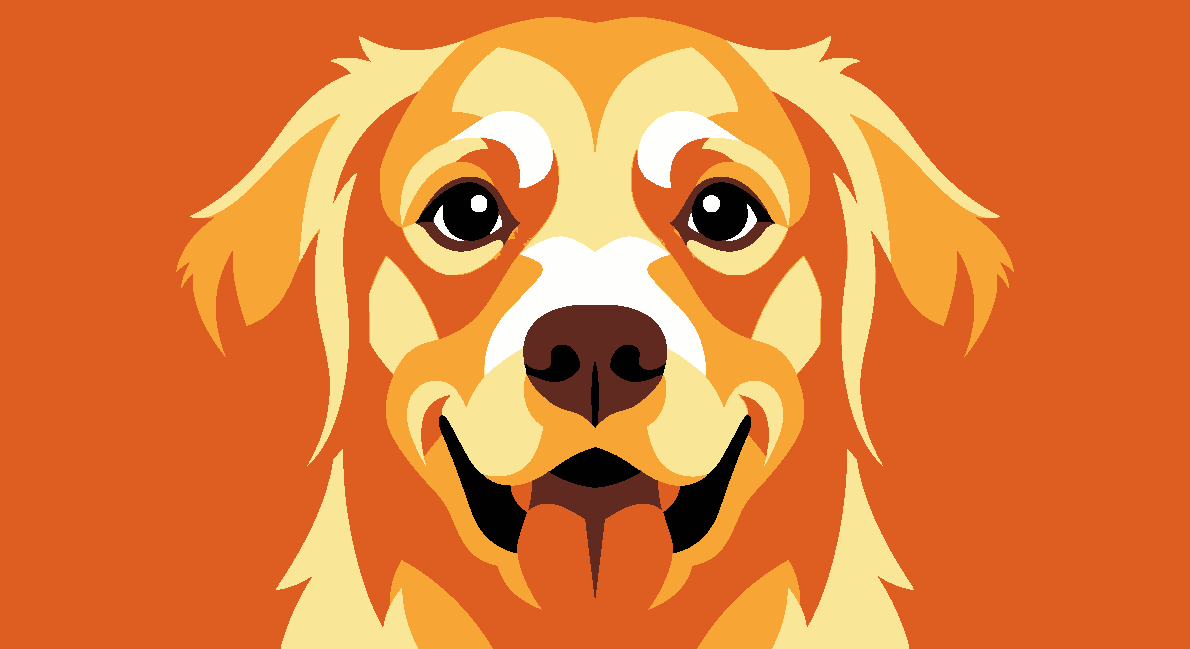
Drop in a picture. It comes back as a stack of flat plates — each one printed in a single filament, stacked so the picture appears in real colour and real depth. No multi‑material printer, no supports, nothing loose.
How it works
You do not print colour. You print holes. The bottom plate is solid; every plate above it is solid except where a colour below needs to show through. The top plate is just the linework. Every plate is the same sheet with a solid border, so you line the edges up and the art lines itself up.
Getting started
- Unzip it somewhere permanent — not your Downloads folder.
- Double-click
START-LAYER-ART.bat. The first run installs the graphics libraries and takes a couple of minutes, and it can look like nothing is happening. It only happens once. - Fill in your filament shelf first. Name and colour for each spool you own. Everything after that is built only from those colours.
- Drop a picture in. A verdict tells you how it will come out before anything runs.
What it can and cannot do
Best results: flat colours, bold shapes, hard edges, good contrast, and shapes that touch each other. Poster and sticker art is the sweet spot.
It cannot do: small text — anything under about 4 mm tall simply cannot exist at a 0.4 mm nozzle — smooth gradients, glows, reflections, or busy photographs. The app tells you which of these it has hit, and why, before you commit to a print.